
- Your cart is empty
- Continue shopping
-
admin@gmail.com
- Posted on
- Categories:Uncategorized
- 0 comments
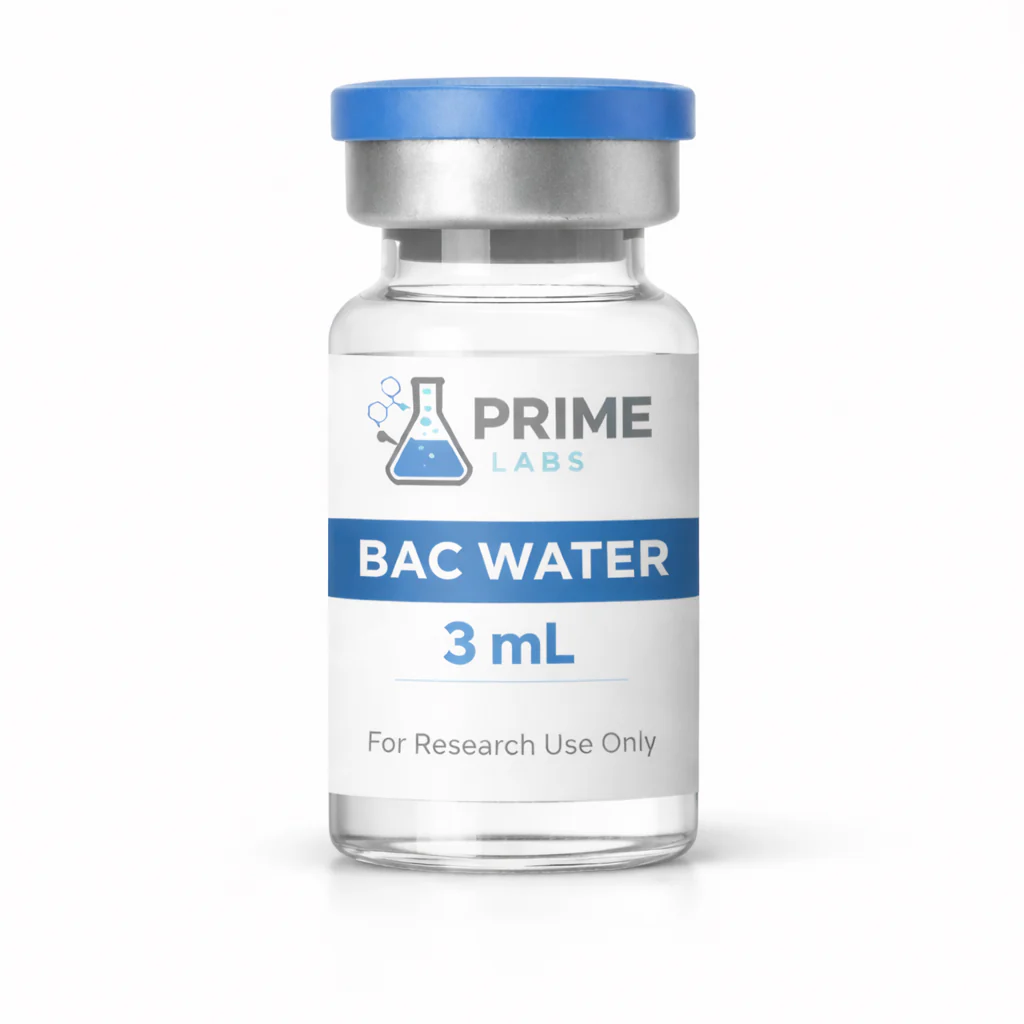
Many people searching for lab solvent, bacteriostatic water, or sterile laboratory solutions often wonder whether these products are the same. While they may appear similar because both are clear, water-based solutions used in laboratory and research environments, they are designed for very different purposes. Understanding these differences is essential for selecting the right product for your research applications and avoiding costly mistakes.
In this guide, we’ll explain the differences between lab solvent and bacteriostatic water, discuss their common uses, and help you determine which solution best fits your laboratory needs.
What Is a Lab Solvent?
A lab solvent is a liquid used in laboratories to dissolve, dilute, extract, or transport chemical compounds during research and analytical procedures. Laboratory solvents come in various formulations depending on the specific scientific application.
Common laboratory solvents include:
- Purified water
- Methanol
- Ethanol
- Acetone
- Acetonitrile
- Isopropyl alcohol
These solvents are widely used in:
- Chemical analysis
- Laboratory testing
- Chromatography
- Sample preparation
- Cleaning laboratory equipment
- Research experiments
The term lab solvent is broad and describes a category of laboratory-grade liquids rather than one specific product. Each solvent has unique chemical properties, purity standards, and intended research applications.
Order Now: https://thelabsrats.com/
What Is Bacteriostatic Water?
Bacteriostatic water is a specially prepared sterile water solution that contains 0.9% benzyl alcohol as a preservative. The addition of benzyl alcohol helps inhibit the growth of bacteria after the container has been opened, allowing the solution to remain suitable for multiple withdrawals when handled according to appropriate laboratory procedures.
Unlike general laboratory solvents, bacteriostatic water is specifically manufactured under sterile conditions and is commonly selected in research settings where a sterile diluent is required.
Key characteristics include:
- Sterile water formulation
- Contains 0.9% benzyl alcohol
- Designed to help inhibit bacterial growth after opening
- Suitable for multiple withdrawals when used appropriately
- Manufactured under strict quality standards
Is Lab Solvent the Same as Bacteriostatic Water?
The simple answer is no.
Although bacteriostatic water may be considered a type of laboratory solution, not every lab solvent is bacteriostatic water. The biggest difference lies in their composition, intended function, and level of sterility.
| Feature | Lab Solvent | Bacteriostatic Water |
|---|---|---|
| Purpose | General laboratory applications | Sterile dilution solution for research |
| Sterility | Varies by product | Sterile |
| Preservative | Usually none | 0.9% Benzyl Alcohol |
| Chemical Composition | Depends on solvent type | Sterile water with preservative |
| Multiple Withdrawals | Not always | Designed for repeated access when handled properly |
This distinction is important because choosing the wrong laboratory solution can affect experimental consistency and research outcomes.
When Should You Use a Lab Solvent?
A laboratory solvent is the preferred choice when your research requires dissolving chemicals, cleaning equipment, preparing analytical samples, or performing chemical reactions.
Typical applications include:
- Laboratory research
- Chemical synthesis
- Analytical chemistry
- Chromatography
- Spectroscopy
- Cleaning glassware
- Sample extraction
Because different solvents possess different chemical characteristics, researchers should always select a solvent that matches the specific requirements of their experiment.
When Is Bacteriostatic Water the Better Choice?
Bacteriostatic water is commonly selected when a sterile aqueous solution is needed for laboratory research involving compounds that require dilution under sterile conditions.
Researchers often choose bacteriostatic water because it offers several advantages:
- Sterile formulation
- Added bacterial growth inhibitor
- Convenient for multiple withdrawals
- High manufacturing quality
- Reliable consistency across research applications
It is important to remember that bacteriostatic water is not intended to replace chemical laboratory solvents used for dissolving organic compounds or conducting analytical testing.
Why Understanding the Difference Matters
Using the correct laboratory solution helps improve research accuracy, maintain sample integrity, and support reliable experimental results.
Choosing between a lab solvent and bacteriostatic water depends on factors such as:
- Required sterility
- Chemical compatibility
- Type of research
- Storage requirements
- Laboratory protocols
- Experimental objectives
Carefully reviewing product specifications before purchase ensures that the selected solution meets your laboratory’s requirements.
Choosing Quality Laboratory Solutions
When purchasing laboratory supplies, quality should always be a priority. Look for products that offer:
- High purity standards
- Reliable manufacturing processes
- Clearly labeled ingredients
- Secure packaging
- Batch consistency
- Appropriate storage recommendations
Working with trusted laboratory suppliers helps ensure dependable products that support consistent research performance.
Final Thoughts
While both lab solvents and bacteriostatic water play valuable roles in laboratory and research environments, they are not the same product. A lab solvent is a broad category of liquids used for dissolving, extracting, and preparing samples, whereas bacteriostatic water is a sterile water solution containing 0.9% benzyl alcohol to help inhibit bacterial growth after opening.
Understanding these differences allows researchers to choose the right solution for each application, improving laboratory efficiency, experimental consistency, and research quality. Whether you’re sourcing a high-quality lab solvent, sterile bacteriostatic water, or other laboratory research supplies, selecting products that align with your specific research needs is the key to achieving dependable and reproducible results.
